
Education & Benefits
At Ally Wellness, we want you to have all the information you need to make decisions about your care. This page will walk you through how your body changes with age and how our services support your health goals. We've also included the answers to common questions we get from our clients.
How Aging Affects the Body
Aging is a long, slow process that affects multiple parts of your body. As a client, it's important to know what signs to look for so you can make informed decisions about your care.
Common signs of aging include

Painful muscles and joints
As your body ages, your muscles shrink and become weaker. This can make it more difficult to do daily tasks or stay in shape. Your joints get stiff and painful because the older you get, the less collagen and elastin your body produces. Thinning cartilage and a decrease in the lubricating fluid between your joints also contribute to joint pain. Additionally, your ligaments and tendons can shorten, which decreases your range of motion. Combined, all these changes lead to inflammation, swelling, pain, deformity, and stiffness.
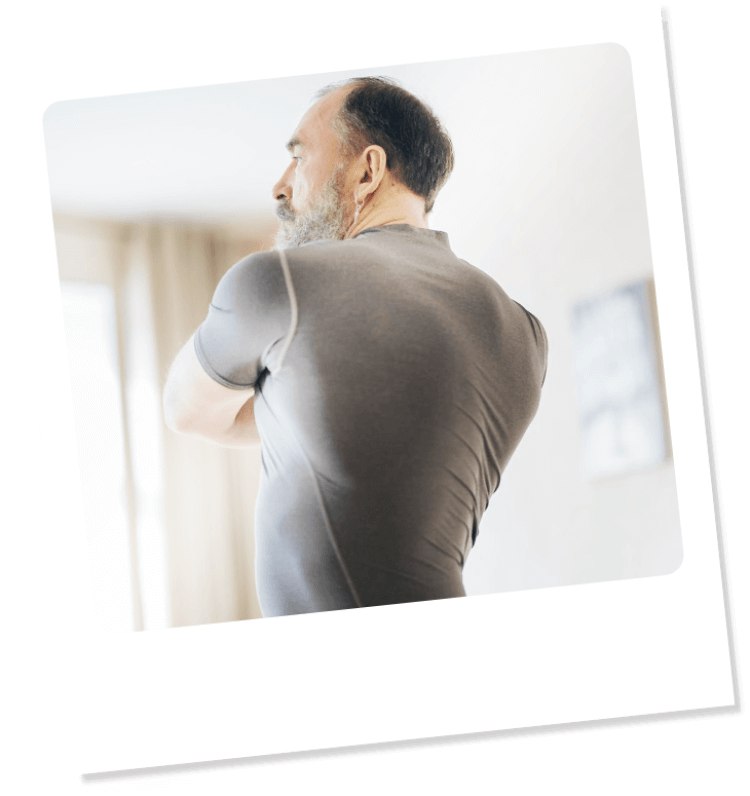
Spinal issues
All your bones lose density as you age, which makes you more likely to break a bone, but your spine is particularly prone to health issues. In addition to disc degeneration, loss of disc height, and narrowing of the spinal canal, many older clients experience more serious issues. Common diagnoses include degenerative disc disease, osteoarthritis, stenosis, kyphosis, scoliosis, compression fractures, and osteoporosis.
Painful symptoms include
Changes in posture. Changes in mobility. Radiating sensations in your arms and legs, such as numbness, tingling, burning, or pain.

Duller senses
Eyesight
When you age, you may experience dry eyes, worsening peripheral vision, difficulty reading up close, higher sensitivity to glare, and an increased need for contrasting colors. Some people also become more prone to cataracts, macular degeneration, glaucoma, and diabetic retinopathy.
Hearing
As you get older, you might experience hearing loss, decreased ability to distinguish between similar sounds like "s" and "th", thickening earwax that builds up in your ears, and increased ringing in your ears (also called tinnitus). Problems with your inner ear can cause you to struggle with balance.
Taste
As you age, you begin to lose taste buds and your mouth produces less saliva. You may experience dry mouth and a diminished ability to taste sweet and salty flavors. For some people, this can cause a loss of appetite.
Smell
Aging often causes increased mucus buildup and decreased sensitivity in your nose's nerve endings. Both of these issues can affect your sense of smell. And since smell and taste are highly connected, a duller sense of smell can also impact your sense of taste.

Thinner, more fragile skin
When you get older, your skin gets drier and more delicate. This can make you more prone to skin tears, bruising and bleeding, and dry, itchy skin. Aging also causes a decrease in the subcutaneous fat layer in your skin. This reduces your body's ability to produce sweat in summer and stay warm in the winter. As a result, you're more likely to get overheated when it's hot out, and you may start to shiver if someone turns the air conditioning up too high for you.
What Physical Therapy Can Do for You
The average person only uses physical therapy to recover from broken bones or other severe injuries. While Ally Wellness does treat clients recovering from strokes, bad falls, etc., we go beyond maintaining your current level of independence; we work to increase it as much as possible.
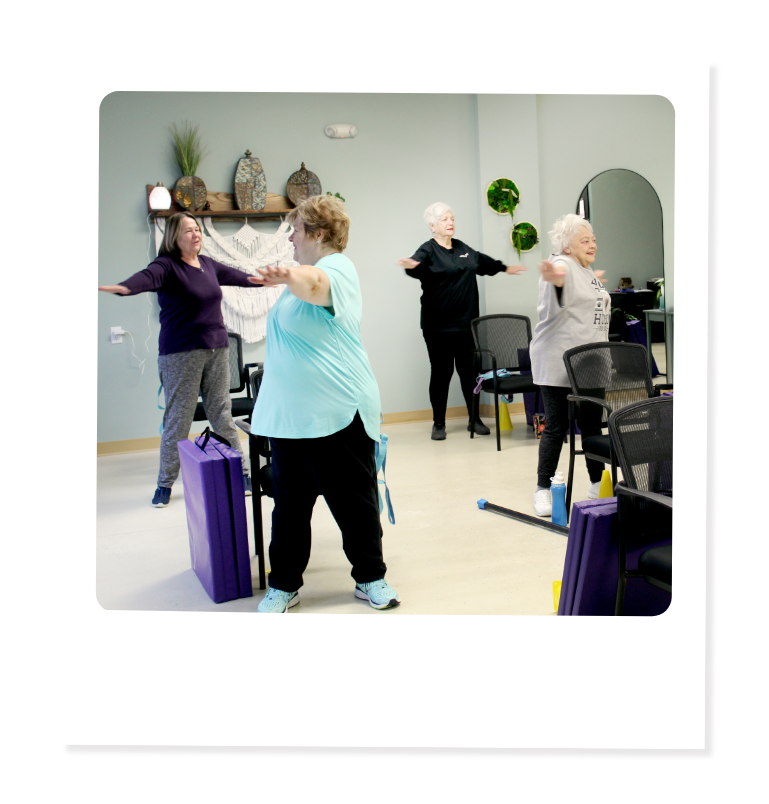
"But everyone falls when they get older."
Every 11 seconds, a person aged 65 or older falls and goes to the ER. Balance issues and falls can happen for many reasons, and there are simple solutions your physical therapist can teach you to restore confidence and reduce your risk of falling in the future.
Falls can be caused by:
- Muscle weakness
- Decreased joint mobility
- Changes or distortions in your vision
- Pain
- Decreased sensation in your feet
- Side effects of medication
- Pre-existing conditions, such as Parkinson's disease
- Environmental hazards, such as steep staircases or uneven sidewalks
More than 50% of falls result in a serious injury, hospitalization, and a nursing home stay. And even after that treatment, many people don't return to the same level of activity after a fall. Having a discussion with a trained professional to identify your fall risk and implement a program can be life changing.
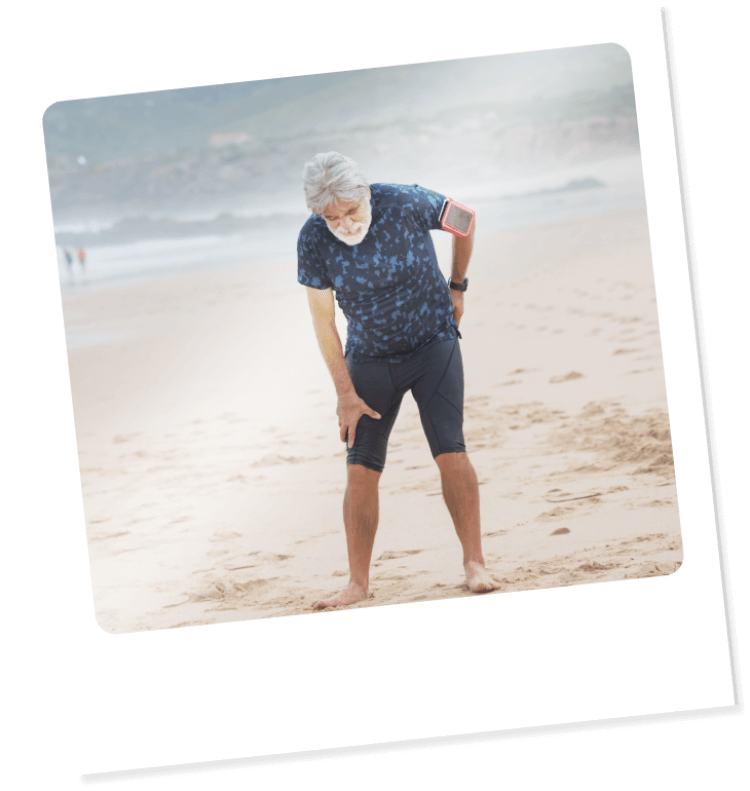
"Isn't it normal to have pain at my age?"
It's true that having discomfort, joint stiffness, and pain are more common as you age, but you do NOT need to surrender your freedom of movement due to pain. Often, if the source of pain can be determined and treated in a timely manner, that pain cannot evolve into severe, debilitating, chronic pain.
Some common sources of pain include:
- Decreased motion in joints
- Weakness in muscles
- Swelling or inflammation
- Arthritis
- Tight or over-worked muscles
- Poor posture
Being examined by a physical therapist can help you pinpoint the source of your pain. The best part is that this can often be done without expensive X-rays, MRI's, or CT scans. A physical therapist is a movement specialist; that means your therapist is trained in how muscles and joints need to move to promote less painful, more efficient movement.

"I'm too old to do that!"
At Ally Wellness, we work hard to debunk one of the most common aging myths: "I am too old to do that!" If a task becomes difficult, takes too long, causes pain, or you simply can't do it anymore, that means it's time to call us so we can help you regain your independence.
Many times, our clients say they're too old for something because they don't trust their bodies to complete the tasks they once did. While it's true that you should be more cautious with certain activities as you age, you should not just stop doing things because you have reached a certain age. The physical therapists at Ally Wellness are trained in how to manage pain, adapt tasks to suit your needs, restore mobility, and address your unique health and wellness needs.
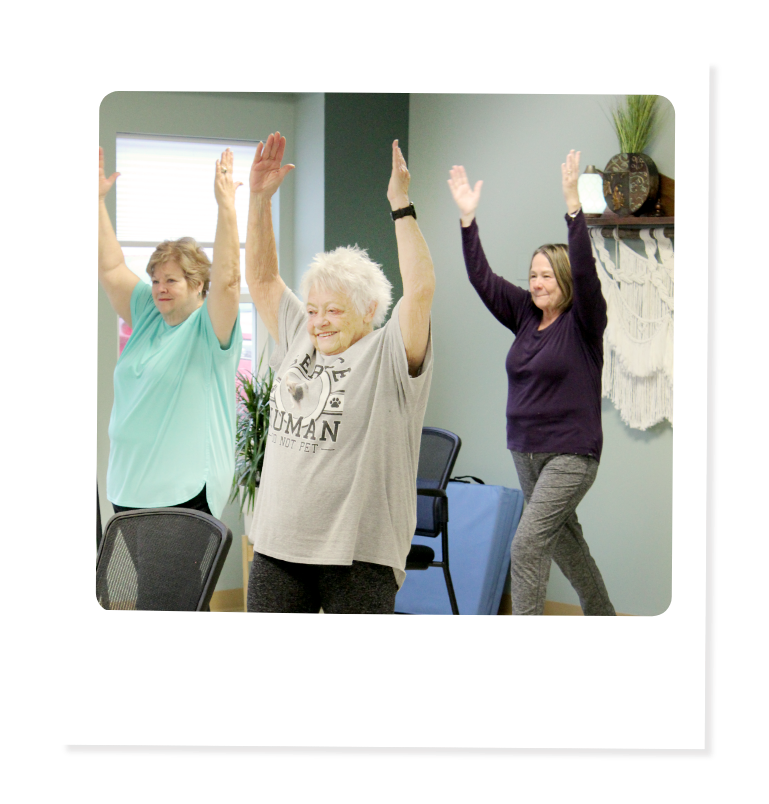
"I don't need to exercise anymore."
Although the types of exercises you need to do may change with age, the need for exercise does not. Despite the numerous health benefits of exercise, many older adults don't understand the importance of continued exercise to maintain their independence.
Changes in strength, posture, flexibility, and stamina have a huge effect on your ability to get out of bed, bathe, get dressed, go to the bathroom, walk around your house, navigate steps, cook, and clean. The physical therapists can help design a wellness program that targets your specific needs to increase or maintain the strength, joint motion, balance, and stamina needed to allow you to remain confident and independent as you age.

"It doesn't matter what I eat."
Did you know that people's taste buds change as they age? They become less able to taste a variety of foods, and their sweet and salty taste buds dominate. This leads to increased craving for salt, sugar, and carbs, which can be problematic for people with heart problems, diabetes, and other common health issues.
Additionally, older adults need increased protein as well to maintain muscle mass, strength, and bone health. Water is important, as well; as we age, we need to drink even more water than we did when we were young.
Ready to take a more active role in your health and independence?
Contact Us